

Battery for an inverter: when 5 kWh is enough, when you need 10+
We size batteries on two numbers, not on the catalog: peak load and required autonomy hours. Our typical customer this year: a 60-80 m² apartment that wants to ride through evening blackouts. We ship 5 kWh. A 100-150 m² house with a heat pump plus a boiler plus AC needs at least 10 kWh, more often 15. Commercial sites (a 20-seat office, a server room, a retail unit with refrigeration) get 15-25 kWh or two cascaded modules.
The flow is simple. The hybrid inverter pulls energy from the grid, from solar panels, or from the battery. The priority is configurable. Grid drops out: 10-20 ms switchover to battery, the house keeps running with no break. Sun is on: it covers the load first, the excess goes into the battery. LiFePO4 in our shop is guaranteed for 6000+ full discharge cycles. Real service life 15-20 years on daily cycling.
What we ask before you order a battery
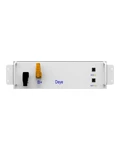
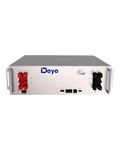
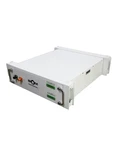
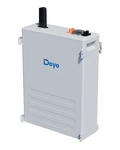
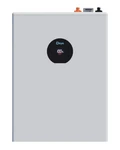
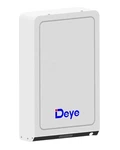
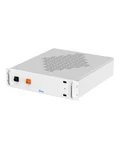
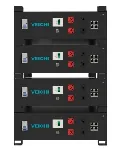
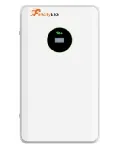
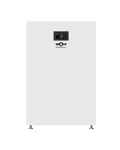
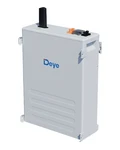
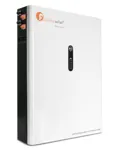
First and most important: which inverter do you have. Because the battery BMS must talk to the inverter over CAN or RS485. Felicity LPBA is certified with most popular hybrid brands. Veichi VCLB pairs cleanly with Veichi and Deye inverters. Rosen in rack or wall format works with Deye, Veichi, Sorotec. If you are still picking the inverter, tell us the brand and we will recommend the matching battery.
Second: where it sits. Heated utility room, hallway, heated garage – any model from our shelf. Unheated container or outdoor box – only models with built-in cell heating. Otherwise winter charge will fall to 20-30%. Third: future plan. Felicity LPBA and LPBF support up to 16 modules in parallel. Rosen rack adds another unit in 30 minutes of mounting. Manufacturer warranty 5-10 years (Felicity LPBA carries 10). We ship from our Kyiv warehouse in 1 day. Before any order we cross-check the datasheet on compatibility with your inverter.
| Model | Capacity | Voltage | Cycles | Application |
|---|---|---|---|---|
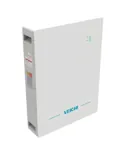
| Veichi VCLB-5K-D01 | 5.12 kWh | 51.2 V | 6,000 | Apartment, office |
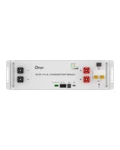
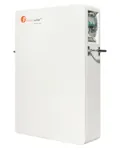
| Felicity LPBA48100-OL | 5.12 kWh | 51.2 V | 6,000+ | Apartment, cottage |
| Felicity LPBA48170 | 8.7 kWh | 51.2 V | 6,000+ | House up to 150 m2 |
| Veichi VCLB-10K-W01 | 10.24 kWh | 51.2 V | 6,000 | House, small business |
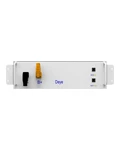
| Rosen BAT-51.2V-200AH-WALL | 10.24 kWh | 51.2 V | 6,000+ | House, office |
For an apartment, a 5 kWh battery is sufficient — providing 4 to 6 hours of runtime for a refrigerator, lighting, and router. For a house with electric heating or air conditioning, we recommend 10 kWh or more.
Inverter battery manufacturers
The chastotnik.ua catalog features brands with confirmed sales and official warranty in Ukraine:
- Felicity — LiFePO4 lineup from 5.12 to 25 kWh; robust rack-mount and wall-mount enclosures; 6,000+ cycle life.
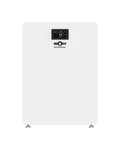
- Veichi — compact wall-mount and floor-standing models 5–10 kWh with BMS and CAN/RS485 interfaces; temperature-controlled charging.
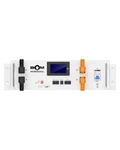
- Rosen — rack-mount and wall-mount modules 5–10 kWh (BAT-51.2V-200AH-WALL, BAT-51.2V-200AH-RACK); built-in BMS with CAN and RS485 protocols for integration with most hybrid inverters.
Batteries for inverter by specifications
- LiFePO4 batteries — lithium iron phosphate chemistry with maximum cycle life
- 5 kWh battery — good choice for apartments
- Batteries for solar panels — solutions for solar power stations
Warranty and support
All inverter batteries are sold with an official manufacturer warranty of 5 years or more. Chastotnik.ua is an authorized distributor of Veichi, Felicity, and Rosen in Ukraine. Delivery via Nova Poshta across Ukraine: Kyiv, Kharkiv, Odesa, Dnipro, Lviv, and other cities. Payment options: bank transfer for companies, card payment, or cash on delivery for individuals.