Skip to content
Selection by parameters
Brand
Voltage,V

Felicity Batteries

Found 8 products
Felicity ×
Скинути фільтри

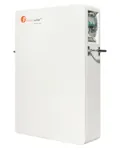
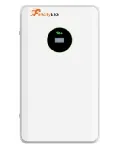
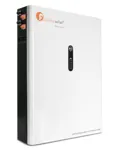
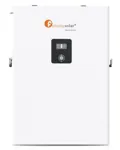
Felicity Solar supplies LiFePO4 lithium battery packs at 51.2 V nominal (48 V system nominal) for hybrid solar inverters. The range in stock runs from 5.12 to 25 kWh: LPBA wall-mounted models and higher-capacity LPBF units, including the 200 Ah LPBF48200-H.

LiFePO4 chemistry sustains 6,000+ cycles at 80–90% depth of discharge, whereas lead-acid cells must not be taken below 50% — so usable lithium capacity is double that of a lead-acid pack with the same nameplate rating. The integrated BMS manages temperature, cell balancing and charge current, while CAN/RS485 communication lets the inverter read true state of charge instead of estimating it from voltage.

These packs suit low-voltage 48 V hybrid inverters — Deye SG04LP3 and SG05LP1 series, Veichi VHS and VHT. Capacity scales by paralleling modules; use the same model and preferably the same production batch, otherwise the BMS balances the array down to its weakest unit.

Frequently Asked Questions

What is the difference between 48 V and 51.2 V on Felicity batteries?

They describe the same pack. 48 V is the system nominal inherited from lead-acid practice; 51.2 V is the actual nominal voltage of a lithium string of 16 LiFePO4 cells at 3.2 V each. The working range is 40–58 V. If an inverter is specified as a 48 V unit, a 51.2 V pack is exactly what it expects.

How long does a Felicity battery last?

Life is rated in cycles rather than years: 6,000+ cycles at 80–90% depth of discharge. At one full cycle per day that exceeds 15 years; under typical Ukrainian use — discharging during outages rather than daily — it lasts longer. The main threat to life is not cycle count but temperature: keep the pack between 15–25 °C and never charge it below 0 °C.

Which capacity suits my inverter?

Size against overnight consumption, not against inverter power. 5.12 kWh (LPBA48100-OL) covers a refrigerator, lighting, router and boiler through the night. 10 kWh (LPBF48200-H) supports a full household. From 15 kWh (LPBF48300, LPBF48350) suits a house with electric heating or a site with round-the-clock load. The second constraint is the inverter's charge current: a smaller pack physically cannot accept all the power the inverter can deliver.

Can several Felicity batteries be combined?

Yes — modules are paralleled to increase capacity. The conditions are: identical model, preferably the same production batch, matched state of charge before first connection, and equal power cable lengths to the busbar. Mixing modules of different capacity or age makes the BMS balance the array to its weakest unit, costing you part of the capacity of the others.

Which inverters work with Felicity batteries?

Low-voltage 48 V hybrid inverters. In our range that means Deye SUN series SG05LP1 (single-phase 220 V) and SG04LP3 (three-phase 380 V), plus Veichi VHS and VHT. For true state-of-charge reporting, connect the CAN or RS485 bus and select the matching battery protocol in the inverter menu — otherwise it estimates charge from voltage, which can be off by up to 20%.