8 kW hybrid inverter: when to take it and when 6 kW is enough
We typically install an 8 kW hybrid inverter in homes 130-180 m² with a heat pump or electric heating. Our customers this year run a single-storey or small two-storey house. Heat pump for hot water and heating with 5-7 kW peak draw. One or two AC units. Water heater on standby. If you only have a gas boiler plus a couple of AC units, we ship 6 kW: cheaper and smaller. The 8 kW gives headroom on starts: peak surge 16 kW briefly. It holds the heat pump compressor start plus a simultaneous well pump kick.
How it works (standard hybrid). When the grid is up, we draw from it in parallel. Surplus from PV panels goes into the battery. Grid drops: the unit transfers to battery in 10-20 ms. No interruption. One caveat: an 8 kW inverter wants a 9-12 kW PV array. Less than 9 kW of panels: generation will not reach the design figure.
Single-phase or three-phase: what we install at 8 kW
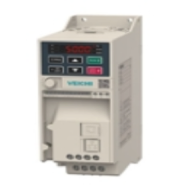
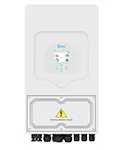
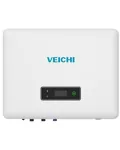
Single-phase 220 V: we pick 48 V battery models. Our most-shipped unit is Veichi SISV-8.2K-H(TWIN) with MPPT 60-450 V (budget, low start threshold). Next to it ships Deye SUN-8K-SG05LP1-EU with Wi-Fi monitoring via SolarMan out of the box. There is also a single-phase Deye SUN-8K-SG04LP3-EU with MPPT 200-850 V (from the manufacturer datasheet) for larger arrays. We have no three-phase 8 kW in stock right now. For three-phase service, better to step straight to 10 kW: small price gap, more headroom.
What we ask before placing the order. First: which heat pump model, because some peak at 1.5-2x rated current on start. Second: what battery. If you already have 48 V LiFePO4, we stay in the same ecosystem and do not break it. Third: what service capacity at the meter, 5 kW or 8 kW. Warranty 2-5 years, delivery from our Kyiv warehouse in 1-3 days.
Brands and series
Two brands with real sales in our 8 kW hybrid inverter catalog:
- Deye: SUN series. Single-phase SG05LP1 plus SG04LP3 variants. IP65 for outdoor mounting. Wi-Fi via SolarMan. Parallel connection up to 16 inverters. 5-year warranty.
- Veichi: SI series (SISV-8.2K-H TWIN). Single-phase 48 V. MPPT 60-450 V. Low start threshold. Useful when the array is 6-8 kW.
Hybrid inverters by power
- 5 kW: flat or house 60-90 m²
- 6 kW: house 100-150 m² with AC
- 8 kW: house 130-180 m² with heat pump
- 10 kW: large house 180-250 m²
- 12 kW: estate with pool, small business
Warranty and delivery
All 8 kW hybrid inverters ship with manufacturer warranty 2-5 years. Kyiv warehouse, dispatch via Nova Poshta or courier, 1-3 days nationwide. Bank transfer with VAT for businesses. Card or cash on delivery for individuals. Free consultation on the full kit: inverter plus battery plus panels. Authorized Deye and Veichi dealer.