
Soft Starter vs VFD: Key Differences and How to Choose
When it comes to protecting an electric motor and optimising system performance, engineers face the same recurring question: soft starter or variable frequency drive (VFD)? Both devices reduce inrush current and extend motor life — but that is where the similarity ends. The differences in functionality, cost, and application are fundamental. Let's break them down.
How a Soft Starter Works
A soft starter gradually raises voltage to the motor during start-up and lowers it during stopping. It does not change the supply frequency — the motor always runs at its rated speed of 50 Hz. Once the motor reaches full speed, thyristors are bypassed by a relay and the device is effectively removed from the power circuit.
The result: inrush current drops from 6–8× to 2–4× rated current, mechanical shock on start-up is eliminated, and the unit costs significantly less than a VFD.
How a VFD Works
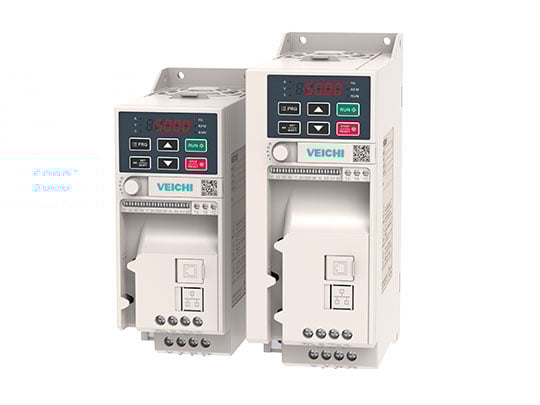
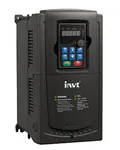
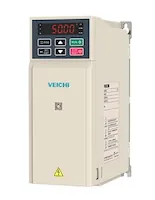
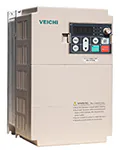
A variable frequency drive converts mains AC voltage to DC, then back to AC — but at a controlled frequency ranging from 0 to 400 Hz and beyond. This means complete control over motor speed at any point during operation.
That opens up fundamentally different possibilities: energy savings on fans and pumps can reach 30–50%, and precise speed regulation is simply not possible without a VFD. See our dedicated sections on VFDs for pumps and VFDs for motors for application-specific guidance.
Comparison Table: Soft Starter vs VFD
| Parameter | Soft Starter | Variable Frequency Drive |
|---|---|---|
| Price | Lower (30–60% cheaper) | Higher |
| Speed control | No (start/stop only) | Yes (0–400+ Hz) |
| Energy savings | Minimal (during start only) | Up to 50% on pumps and fans |
| Starting current | 2–4 × In | 1–1.5 × In |
| Typical applications | Pumps, compressors, conveyors with infrequent starts | Fans, variable-load pumps, machine tools |
| Maintenance | Minimal | Regular ventilation and filter checks |
| Motor protection | Basic (thermal, overcurrent) | Extended (overload, phase asymmetry, overtemperature) |
Real-World Use Cases
Water Supply Pump
If a pump starts 2–3 times per day at constant speed, a soft starter is sufficient. It eliminates water hammer on start-up and protects the pipeline. But if system pressure must be maintained automatically based on demand, you need a VFD for the pump with a pressure sensor. Energy savings in this mode reach 40%.
Belt Conveyor
A conveyor running at constant speed with a heavy start (loaded belt) is a perfect fit for a soft starter — it removes mechanical jerk and requires no speed adjustment. If the conveyor must change speed to match a production line tempo, the answer is a VFD.
HVAC Fan
This is the textbook VFD application. A variable-speed fan consumes energy proportional to the cube of its rotational frequency: reducing speed by 20% cuts energy consumption by nearly 50%. No soft starter can deliver that.
Compressor
A reciprocating compressor with a constant load is a classic soft-starter application. A screw compressor with variable output requires a VFD to maintain target pressure and eliminate unloaded running.
Decision Tree: Which to Choose
- The motor runs at constant speed and you only need a soft start/stop
- Budget is limited and speed control is not required
- Application: centrifugal pump at constant load, compressor, conveyor
- Starts are infrequent (a few times per day)
- Simplicity and minimal downtime are top priorities
- Speed must be adjustable during operation
- The goal is energy savings (fans, pumps, compressors)
- Precise torque or position control is required
- Application: motors with variable load, CNC machine tools, feed drives
- The system requires smooth acceleration from zero to maximum speed
Total Cost of Ownership
A soft starter is cheaper upfront — that is a fact. But install one where a VFD is needed (for example, on a pump with variable consumption) and electricity bills will erase the price difference within 1–2 years. A VFD on a pump or fan typically pays for itself in 6–18 months through energy savings alone.
Conversely, fitting an expensive VFD where a soft starter would do is unnecessary cost and complexity with no benefit whatsoever.
Where to Buy in Ukraine
At Chastotnik.ua you will find the full range of both device types:
- Variable frequency drives — 0.4 kW to 630 kW, brands INVT, Veichi, Siemens, Delta, Mitsubishi
- Soft starters — for motors from 5.5 kW to 630 kW
- Electric motors — selection assistance for your specific application
Free technical consultation included. Our engineers will help you select the right device for your task, calculate the payback period, and specify the correct parameters.