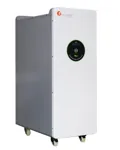
LiFePO4 batteries for inverters and solar ESS
This catalog covers battery blocks for backup power and solar systems: 5.12-25 kWh LiFePO4, 48/51 V platform, with BMS. Most customers pair them with hybrid inverters; some projects add solar panels at the same time. For narrower intent use the dedicated pages: batteries for inverters, batteries for solar panels and LiFePO4 batteries.
We do not start with capacity only. The inverter voltage, charge current, BMS protocol and mounting format matter first: rack, wall-mounted or floor-standing near the power cabinet. A 5.12 kWh block is fine for short backup. 10.24 kWh feels better for an evening without grid power. 25 kWh is for solar systems where daytime generation must be stored for later use.
How to choose a battery
Start with the inverter. If it works with a 48 V battery platform, do not connect a high-voltage battery pack. Then calculate real loads: pump, fridge, boiler, lights, router. Not the nameplate sum of the whole house. That gives a more honest battery size.
A simple capacity guide: 5 kWh for basic backup, 8.7-10.24 kWh for a home with several continuous loads, 15-25 kWh for longer reserve time or an active solar array. Before payment we check the BMS protocol and allowed charge current against the inverter datasheet. One detail: "48 V" in filters often means the system class, while the real nominal voltage of a LiFePO4 block may be 51.2 V.
| Model | Capacity | Voltage and BMS | Best fit |
|---|---|---|---|
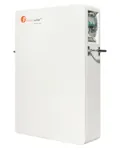
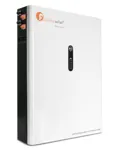
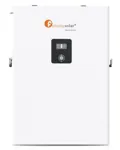
| Felicity LPBA48100-OL | 5.12 kWh | 48 V class, BMS, ≥6000 cycles | Basic backup for a 48 V inverter |
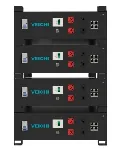
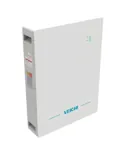
| Veichi VCLB-5K-D01 | 5.12 kWh | 51 V, 0.5C 50A, 6000 cycles @80% DOD | Rack setup with a hybrid inverter |
| Felicity LPBA48170 | 8.7 kWh | 48 V class, BMS, ≥6000 cycles | When 5 kWh is too small and 10 kWh is more than needed |
| Felicity LPBA48500 | 25 kWh | 48 V class, BMS, ≥6000 cycles | Solar ESS with noticeable evening consumption |
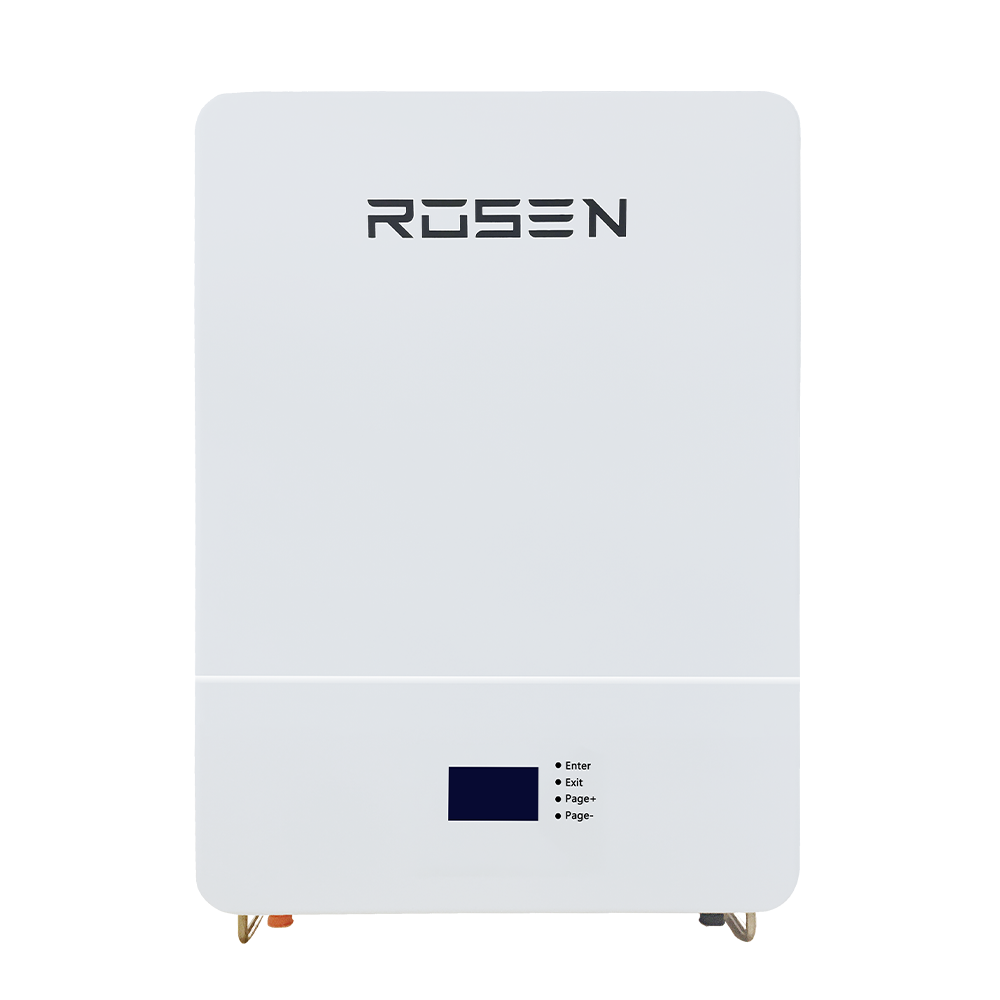
| Rosen BAT-51.2V-200AH-WALL | 10.24 kWh | 51 V, CAN/RS485 BMS | Wall-mounted battery where BMS communication is required |
Manufacturers of batteries
The active brand filters currently show Veichi and Felicity. Veichi is a good fit when a 51 V block is needed for wall or rack mounting. Felicity covers a wider capacity line from 5.12 to 25 kWh. When selecting a battery for a specific inverter, we do not guess the protocol: CAN/RS485, charge current and compatibility tables are checked first.
Batteries by specifications
For quick filtering use LiFePO4 batteries, 5 kWh battery, 48 V or 51 V. Check cycle life, BMS, weight and dimensions on the product page. If the reserve has to grow later, use batteries from the same series. Mixing different blocks may work, but only after a BMS check.
Warranty and support
We work as a B2B supplier: VAT invoice, delivery across Ukraine, battery sizing for an existing inverter. Send us the inverter model, load list and target backup time. We will answer whether 5.12 kWh is enough or whether 10.24/15 kWh is a better step. For Kyiv, Lviv, Dnipro, Odesa and Kharkiv we also check delivery options against the battery weight.