Why More Ukrainians Are Going Off-Grid
Power outages have become a daily reality for millions of households across Ukraine. An autonomous home power supply system is no longer a luxury — it is a practical answer to grid instability. Yet the question that holds most people back is: how much does it actually cost, and will it pay off?
This article breaks down real-world pricing for three system sizes, explains what drives the cost, and calculates the payback period based on current Ukrainian electricity tariffs.
What an Autonomous System Consists Of
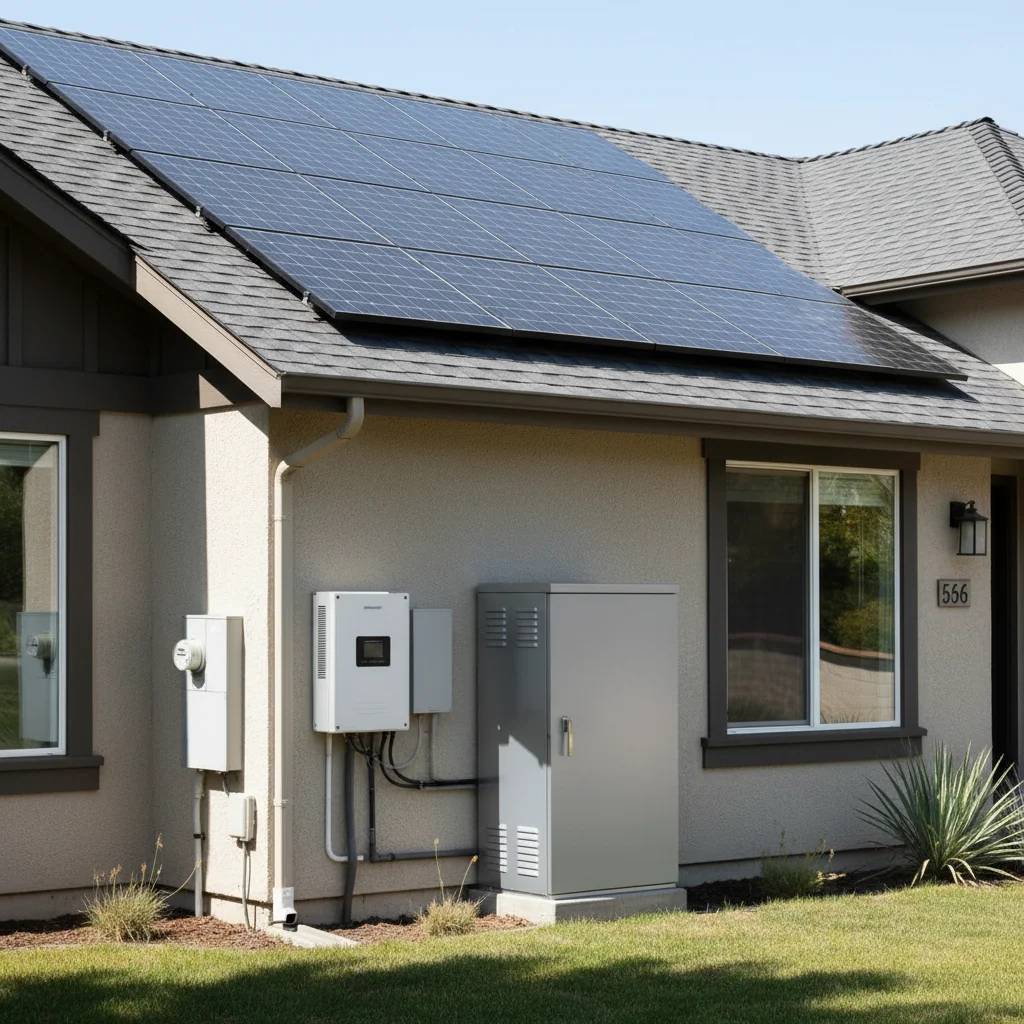
A typical autonomous solar power system has four key components:
- Solar panels — convert sunlight into electricity. Panel type (monocrystalline, polycrystalline, TOPCon) affects both efficiency and price.
- Hybrid inverter — converts DC to AC, manages battery charging, and handles grid interaction.
- LiFePO4 batteries — store energy for use at night or during outages. Lithium iron phosphate cells deliver 6,000+ cycles and will not catch fire.
- Mounting and wiring — panel racking structures, cables, protection switchgear, and installation labour.
Three System Tiers: Prices and Specs
5 kW System — $2,000 to $4,000
Covers the essentials: lighting, refrigerator, TV, router, and device charging. Suitable for an apartment or small house. Typical kit: 8–10 panels at 400–500 W each, 5 kW hybrid inverter, 10 kWh LiFePO4 battery pack. Mounting and materials add $500–800.
10 kW System — $6,000 to $8,000
The sweet spot for a 100–150 m² private home. Runs a washing machine, dishwasher, water pump, and air conditioning at moderate capacity. Typical kit: 18–20 panels, 10 kW inverter, 20 kWh battery bank. This tier is the most popular choice among Ukrainian families looking for the best balance of cost and autonomy.
15 kW System — $10,000 to $14,000
Full independence for a large home or commercial property. Powers all appliances without restriction, including electric heating during shoulder seasons. Up to 30 panels, 15–20 kW inverter, 30–40 kWh battery bank.
What Affects the Final Price
Several factors determine the total cost of an autonomous system:
Panel type. Standard monocrystalline panels are the most affordable. Bifacial and TOPCon panels cost 20–30% more but generate more energy from the same roof area.
Battery capacity. Batteries account for 30–40% of system cost. A larger bank means more autonomy — and a higher price. LiFePO4 costs more upfront than AGM but lasts 3–4× longer.
Inverter brand. Hybrid inverters from Deye, Growatt, and Sofar differ in features and reliability. Models with parallel operation support and remote monitoring cost more but offer greater flexibility.
Installation complexity. Flat roof vs pitched roof, distance from inverter to the distribution board, available space for batteries — all of these affect labour costs.
Return on Investment Calculation
At a tariff of UAH 4.32/kWh (as of early 2026), a 10 kW system generates approximately 12,000–14,000 kWh per year — a saving of roughly UAH 52,000–60,000 annually, or $1,200–1,400 at current exchange rates.
Payback period for a $7,000 system: 3–5 years. After that, the panels continue generating free electricity for 20–25 years. Given that tariffs rise every year, the real payback could shorten to 2.5–3 years.
An additional benefit: surplus energy can be sold back to the grid under the feed-in tariff scheme (for grid-connected systems), accelerating the return on investment further.
Where to Order Your System
Chastotnik.ua stocks hybrid inverters from leading brands, LiFePO4 batteries, and solar panels available for immediate delivery from our Ukrainian warehouse. We work with B2B clients and installation companies, and provide free technical consultation to help you select the right equipment for your specific project.
Contact our team today — we will calculate the optimal configuration and total cost at no charge.